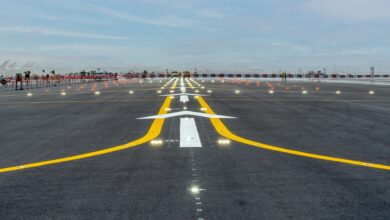
What did international law explain on the protection of civil airports and air navigation facilities?
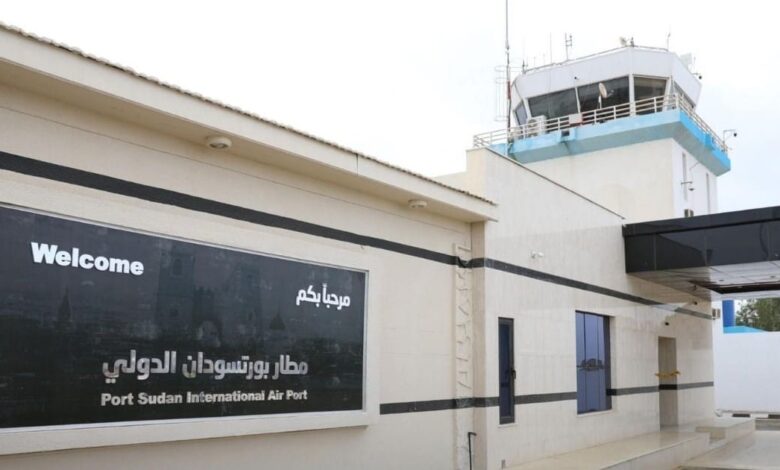
🔥 Sudan News ! 📰 What did international law explain on the protection of civil airports and air navigation facilities?
📅 Published on: 2025-05-09 21:02:00
📝 Details:
Books- Sami Al-Amin- Civil aviation, with its airports and air navigation airports and facilities, is one of the basic columns of global infrastructure, and a major means of communication between peoples and facilitating the movement of individuals and goods.
Given its pure civil normal, it has received special protection in the system of international law, especially in the context of armed conflicts that may endanger these facilities at risk of abuse or illegal use. Hence, the legal rooting came for the necessity of neutralizing these notables, and even the requirement to send a prior warning if they are targeted by military action, in accordance with the provisions of international humanitarian law and specialized treaties.
International legal framework for airport protection and air installations
The Chicago Agreement of 1944 established the cornerstone of this protection, when it approved in its material (3 bis) a decisive principle, which is prohibiting the use of force against civil aviation and its associated facilities, including airports. Under this text, countries are committed to protecting these facilities as civilian human beings, which may not be targeted or used in hostilities.
This protection was strengthened thanks to the 1970 Hague Agreement, which criminalized the illegal seizure of aircraft, which extends its impact to enhance security measures in airports, and prevent their use as launching points of illegal business.
As for the 1971 Montreal Agreement, it constituted a qualitative shift in the scope of protection, as it stipulated the criminalization of any sabotage act against civil aviation safety, and considered attacks on airports, or actions that expose civilians working in risk, international crimes that require the pursuit and punishment of their perpetrators in accordance with the principle of the global mandate.
In a later development, the 2014 Montreal Agreement expanded the umbrella of protection, to include a civilian navigation facilities, such as air control systems, communications devices, and radars, as vital elements of the continuity and safety of air traffic. The agreement considered that any hostile action targeting these facilities is an attack on the entire international air system, and is included in terrorist crimes that require international deterrent.
In parallel, the Beijing Protocol for the year 2010 came to stress that the use of civil aviation, or the attack on its infrastructure, including airports and navigation installations, represents a very dangerous criminal act, and is considered one of the actions that threaten international security and peace, and requires strict international cooperation in pursuit and punishment.
The necessity of pre -warning in accordance with international humanitarian law
In addition to the texts of civil aviation, international humanitarian law, especially in the 1949 Geneva Conventions and additional protocols of 1977, decides a basic principle that an effective prior warning must be directed before any attack that might affect civilian notables, including airports and air navigation facilities. According to Article (57) of the first protocol, the parties to the conflict are obligated to do the utmost care and warn to avoid harm to civilians and civilian notables.
Hence, any targeting of a civilian airport or airport facility, without prior warning, is a serious violation of international law, is classified as war crimes, and is arranged by individual and international criminal responsibility for its perpetrators.
The obligation of legal and international move
In light of these binding rules, a legal and ethical duty rises on the state, those responsible for civil aviation and the airport company, is to immediately move to besiege the aggressor that violate the sanctity of civil airports and air navigation installations. The competent authorities must direct the official procedures before the International Civil Aviation Organization (ICAO), and to file complaints to regional organizations, the African Civil Aviation Committee, the Arab Civil Aviation Authority, mobilize support and condemn these criminal acts.
These violations can also be referred to the competent international courts to pursue those responsible for these attacks, whether they are states or armed groups, and hold them criminally accountable for the crimes they committed against civilian objects through coordination with the ministries of defense, foreign and justice, and the international family’s pitfalling and the rise of their collective will to condemn these violations and their condemnation is a necessary condition to preserve the security and safety of international civil aviation. These crimes without a deterrent punishment.
Source is our country

📢 Hashtags: #international #law #explain #protection #civil #airports #air #navigation #facilities