Military spending, hyperinflation cripple Sudan’s economy
[ad_1]
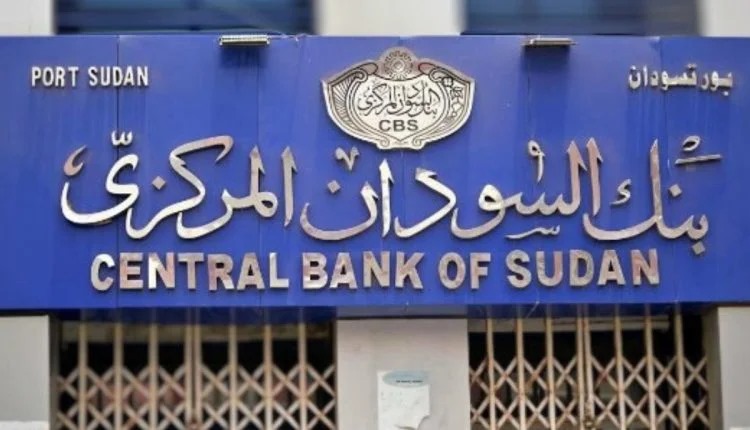
December 9, 2024 (PORT SUDAN)—Sudan will launch a currency exchange process on Tuesday to capture some 200 trillion Sudanese pounds circulating outside the banking system, government sources told Sudan Tribune.
The move comes as the country grapples with a deepening economic crisis sparked by the outbreak of war in April. Authorities in Port Sudan announced on Sunday that the currency exchange would begin on December 10 to rectify the economic situation.
The exchange will be restricted to bank deposits, with a daily withdrawal limit of 200,000 pounds.
Sources said the army has taken control of all gold revenues and mining company payments to the state. They added that the government borrowed $2 billion from a neighbouring country, which they did not name.
Economic collapse and hyperinflation
Hafez El-Zein, deputy secretary of economic relations at the “Qimem” coalition of civil forces, said in a social media post that the April 15 war led to the collapse of the banking sector in the capital, Khartoum and other cities.
He noted that inflation has surged from 450% in April to 650% in September, causing a sharp rise in prices across Sudan.
Military spending and open budget
A finance ministry source told Sudan Tribune that around $1.6 billion has been spent over the past three months to equip fighters in camps inside and outside Sudan.
The source said the military budget relies on tax, customs, and port revenues to fund the fight against the Rapid Support Forces (RSF). The government has described the conflict as a battle for the country’s “dignity.”
Agricultural sector devastation
Agricultural expert Ghariq Kambal told Sudan Tribune that the war and the RSF’s incursion into key areas, such as Al-Suki and the Al Jazirah Project, have halted many farming projects, now 80% shut down.
Kambal said the RSF’s actions have led to the closure of roads to western and southern Sudan, disrupting diesel supplies. The price of a barrel of diesel has reached 3 million pounds (about $1,500).
This has increased farming costs and reduced cultivated areas in Sennar and Blue Nile states, he said. Parts of Gedaref state have also been significantly affected.
Heavy rains have damaged crops, particularly sesame, and the lack of bank financing has further hampered the agricultural sector. Kumbal predicted a weak harvest this season.
Economic impacts and hyperinflation
Economist Wael Fahmy told Sudan Tribune that the war’s economic impact extends beyond finances, threatening the survival of the Sudanese people who face hunger, disease, and poverty.
He said the money supply had reached over 900 trillion Sudanese pounds by the end of 2022, with 90% circulating outside the banking system. This figure has likely worsened due to money printing and counterfeiting during the war.
With production and infrastructure destroyed and many citizens having lost their income, the government has resorted to printing money to finance the war effort, Fahmy said.
According to international estimates, inflation has soared to an estimated 300% officially and over 650%.
Fahmy expects the military to maintain control of all revenue sources to fund the war. He said little information is available about the 2024 and 2025 budgets, describing them as “war budgets.”
He added that Russian companies are expected to play a key role in the gold and oil sectors following recent agreements signed during a Sudanese delegation’s visit to Moscow.
[ad_2]
Source link